
When it comes to the natural stone business, importers and wholesalers often start with one question: “What’s the price?” It’s understandable stone is a commodity, and margins matter. Yet, in a market as competitive and globalized as natural stone, price alone rarely defines success.
The truth is that the real value of a supplier goes far beyond numbers on an invoice. Reliability, scalability, expertise, sustainability, and cultural value all play a decisive role in shaping the long term growth of a distributor’s business. Egyptian stone exporters, with their unique blend of tradition, resources, and modern capabilities, are well positioned to deliver that value.
This article explores why partnering with Egyptian exporters offers benefits that extend far beyond price and how it can transform the way you grow your natural stone business.
1.The Hidden Costs of Ignoring Reliable Egyptian Stone Exporters
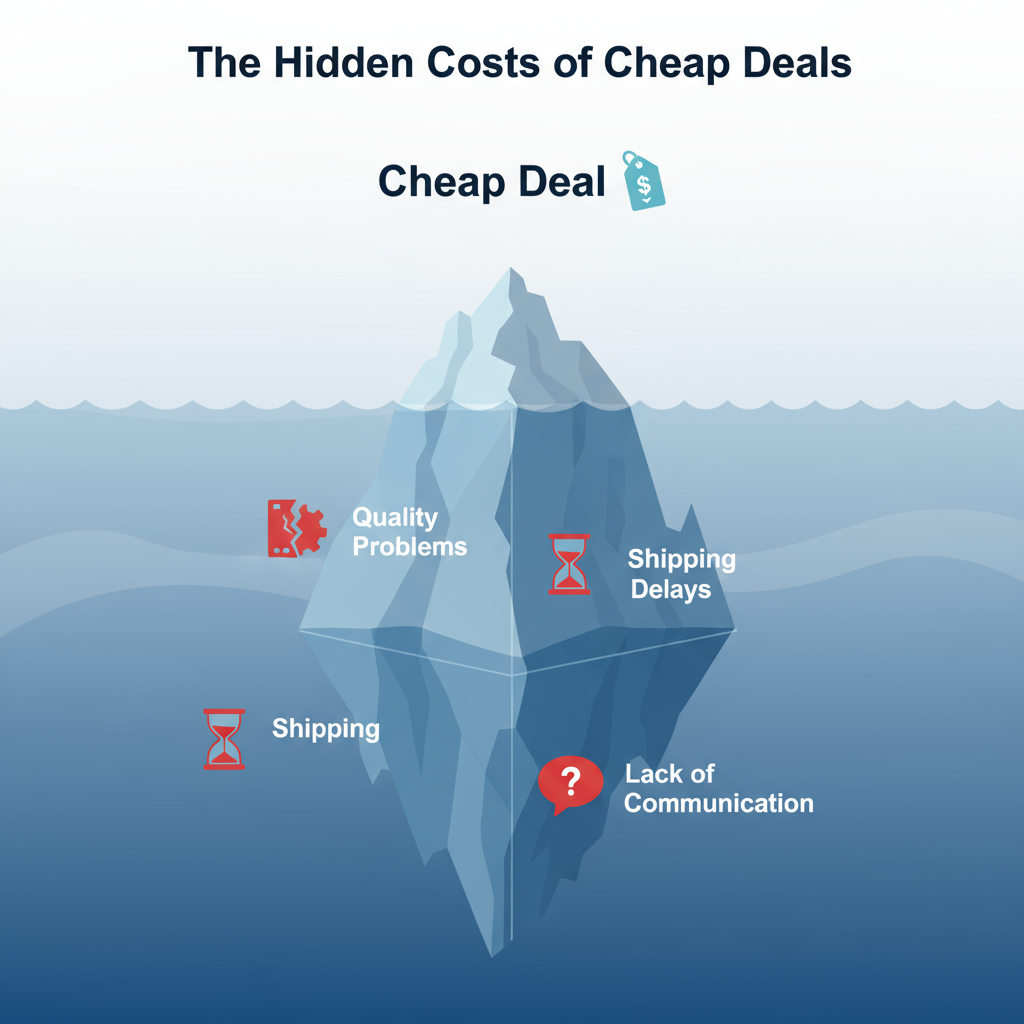
For many importers, the temptation to chase the lowest price is strong. But what appears “cheap” up front often carries invisible costs:
- Quality Problems: Inconsistent finishing, inaccurate sizes, or poor polishing lead to dissatisfied customers, product returns, and reputational damage.
- Shipping Delays: A delayed container can stall a construction project, creating tension with contractors and end clients.
- Lack of Communication: Suppliers who fail to respond quickly or transparently can leave importers exposed when issues arise.
In other words, the pursuit of short-term savings can actually erode long-term profits.
2. Why Reliability Makes Egyptian Stone Exporters Stand Out
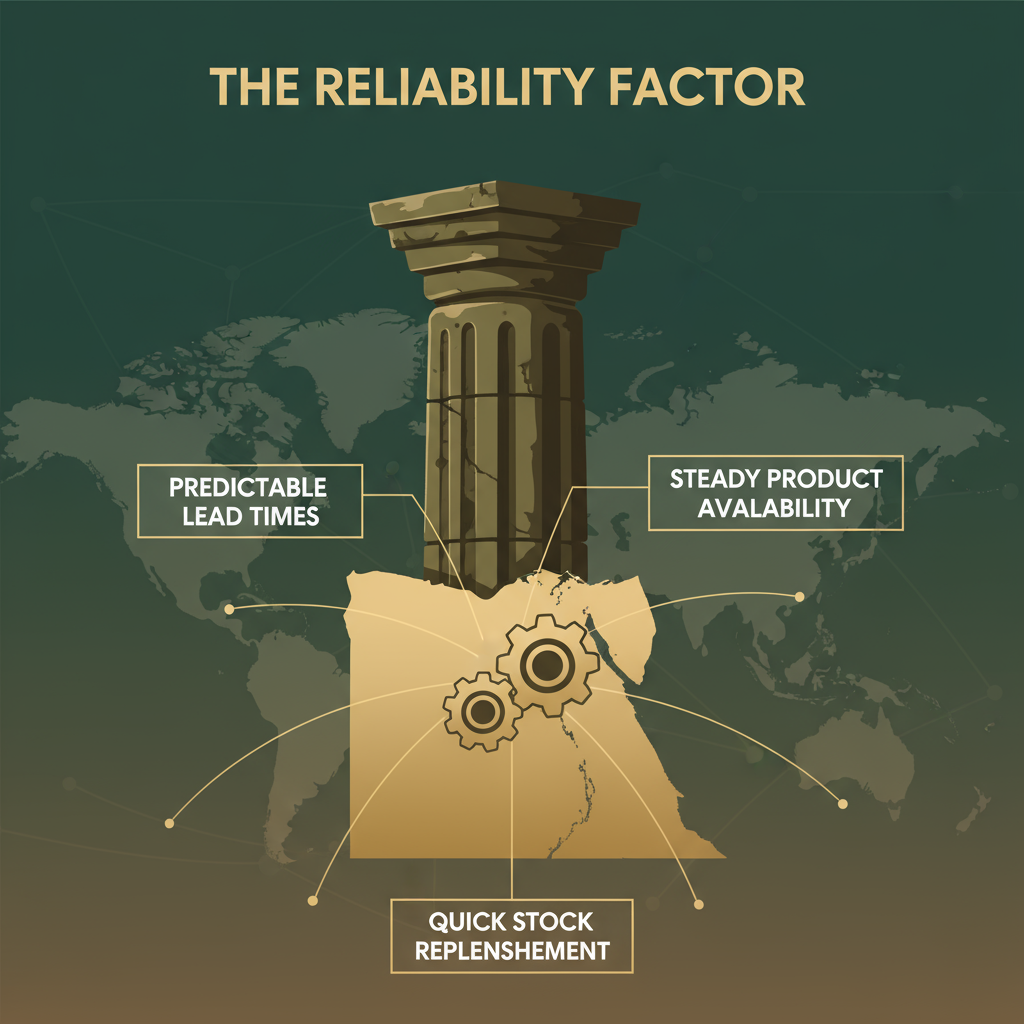
One of the greatest strengths of Egyptian exporters is reliability. Egypt has established itself as one of the largest producers of natural stone globally, with consistent production and a developed export infrastructure.
This reliability translates to:
- Predictable lead times.
- Steady product availability across seasons.
- The ability to replenish stock quickly for growing demand.
For wholesalers, this means peace of mind and the ability to commit confidently to their own clients.
3. How Egyptian Stone Exporters Adapt to Global Market Needs
The Egyptian stone portfolio is one of the richest in the world. From creamy beige marble to bold black granite, Egypt offers colors, patterns, and finishes that appeal to a wide range of markets.
- For Europe: Softer colors and subtle veins often align with architectural trends.
- For the Middle East: Bold, polished finishes are in high demand.
- For Asia: Durable granites dominate large-scale projects.
This adaptability helps importers serve multiple market segments with a single source of supply. Additionally, Egyptian factories are flexible enough to produce custom sizes, finishes, and packaging to match local requirements.
4. Scaling Your Business with Egyptian Stone Exporters
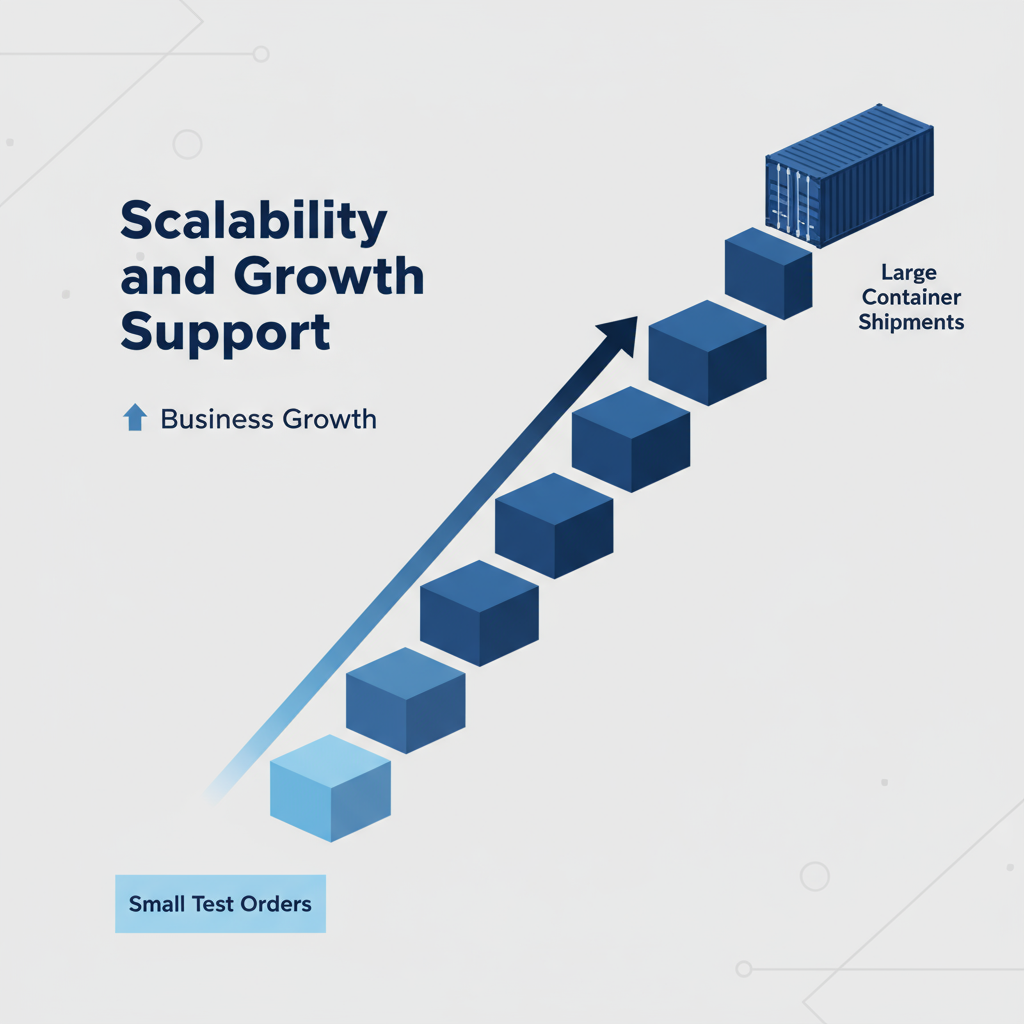
Wholesalers and importers don’t just need stone; they need scalable solutions. A key advantage of working with Egyptian exporters is their ability to handle both small test orders and large container shipments with equal efficiency.
This scalability matters because it allows businesses to grow without constantly changing suppliers. As your volumes increase, your Egyptian partner can grow with you, ensuring continuity and consistency.
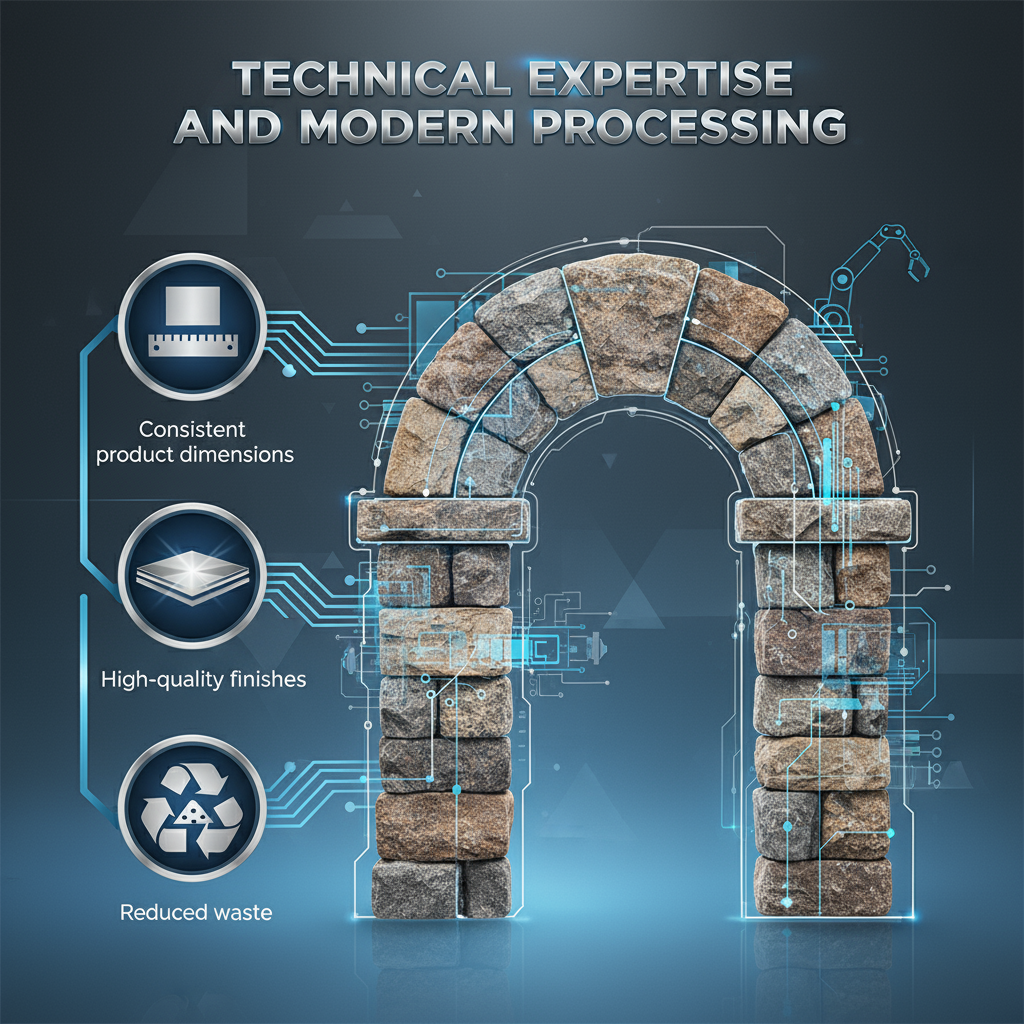
5. Technical Expertise: How Egyptian Stone Exporters Use Modern Processing
The Egyptian stone industry has invested heavily in technology, moving beyond traditional quarrying methods. Today, many factories use advanced Italian and German machinery for cutting, polishing, and finishing.
This modernization ensures:
- Consistent product dimensions.
- High-quality finishes ready for international markets.
- Reduced waste, lowering overall costs.
Coupled with strong expertise in packaging and shipping logistics, Egyptian exporters can deliver stones that arrive ready for immediate distribution.
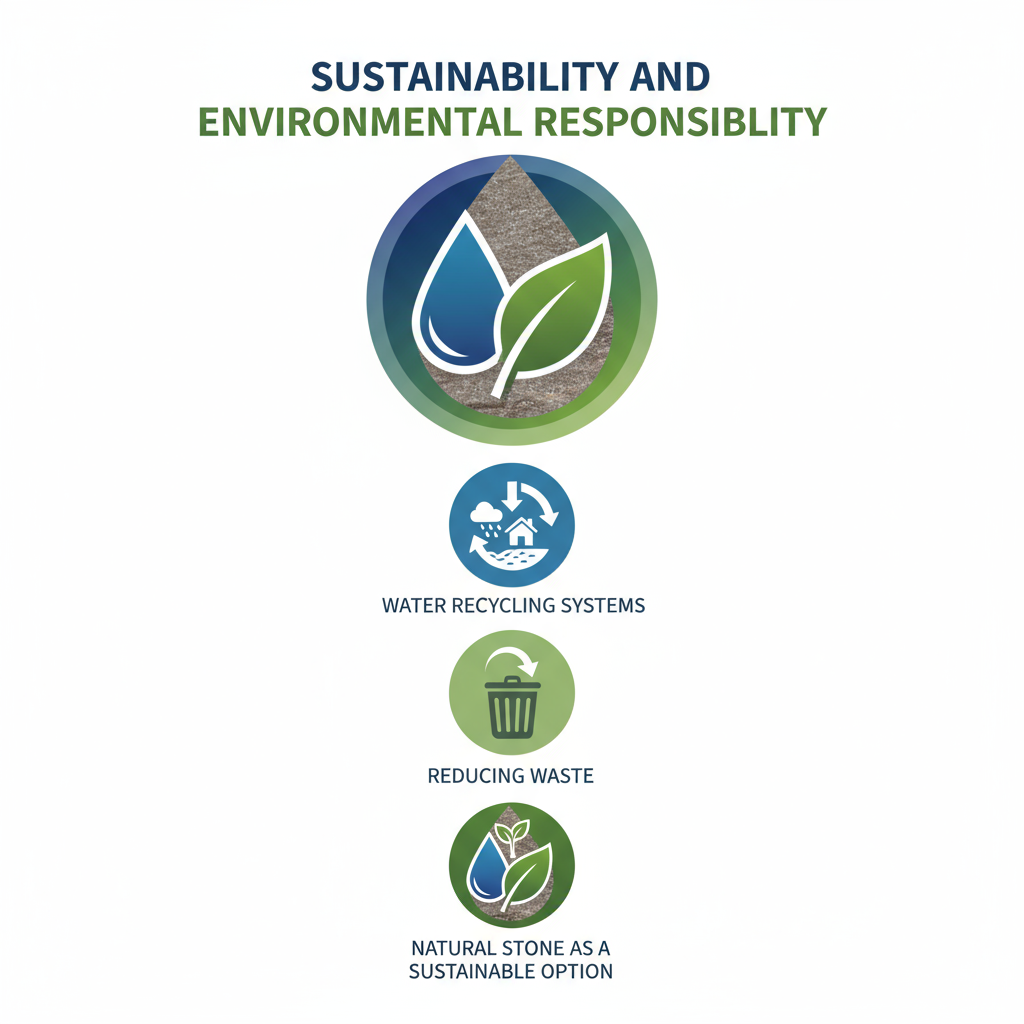
6. Sustainability Practices Among Egyptian Stone Exporters
Global buyers are increasingly concerned about sustainability, and stone is no exception. Egyptian quarries and factories are increasingly adopting eco-conscious practices, such as:
- Using water recycling systems in cutting and polishing.
- Reducing waste during quarrying and processing.
- Offering natural stone as a more sustainable option compared to synthetic alternatives.
For importers, this provides an opportunity to position Egyptian stone as not just beautiful and durable, but also responsible—a message that resonates with architects, designers, and environmentally aware clients.
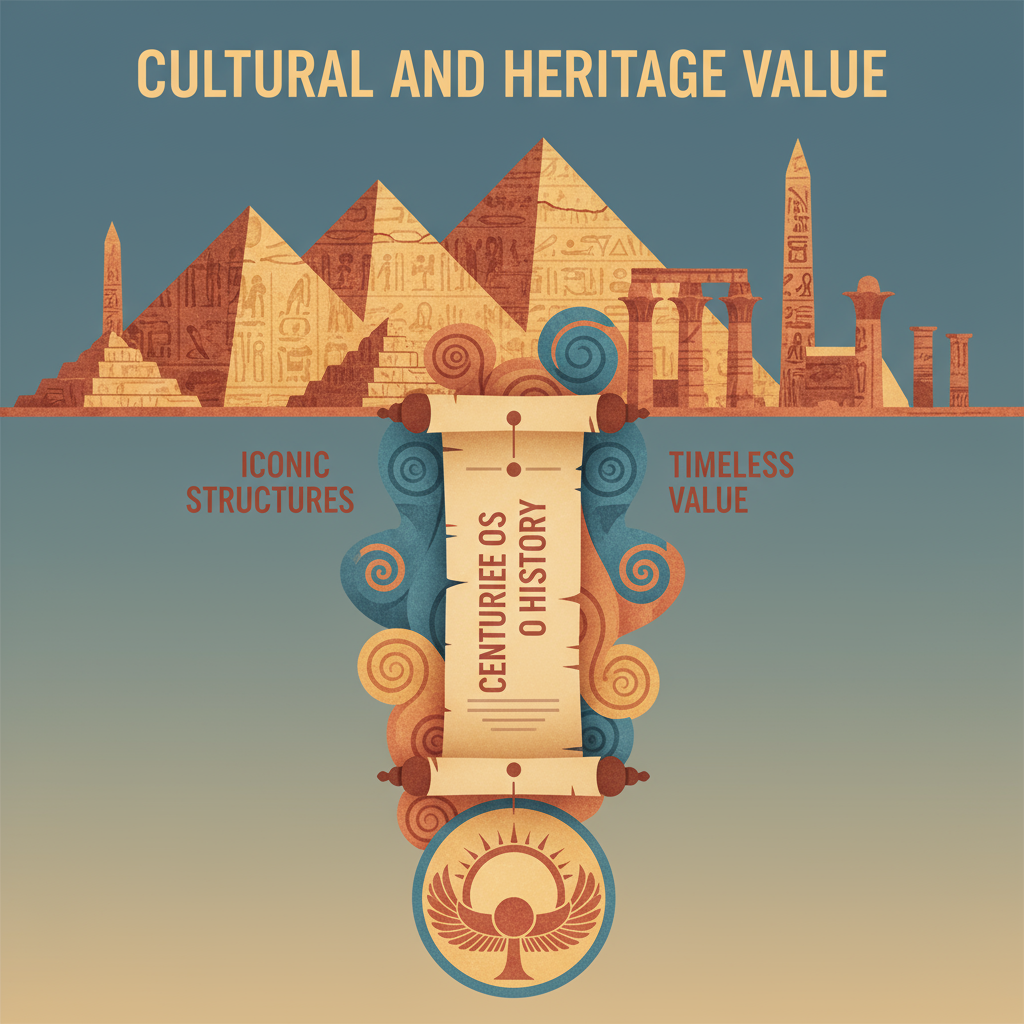
7. The Cultural Heritage Advantage of Egyptian Stone Exporters
Egyptian stone is not just another material it carries centuries of history. From the pyramids to temples and palaces, Egyptian marble and granite have been used in iconic structures that still stand today.
For wholesalers and importers, this heritage offers a unique marketing story. Promoting Egyptian stone means offering clients a material with cultural prestige and timeless value, which can differentiate their business in competitive markets.
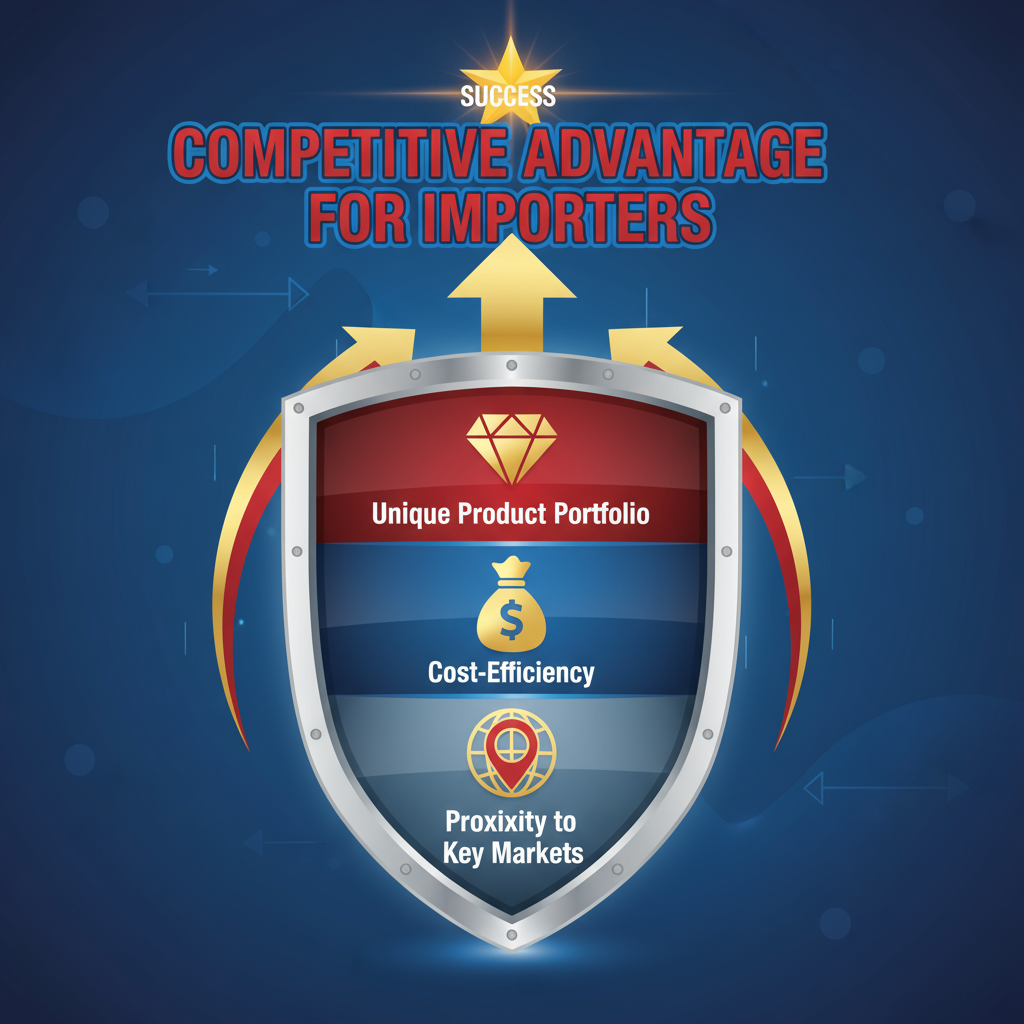
8. Competitive Advantage for Importers
By choosing Egyptian exporters, importers can create a strategic edge:
- Unique Product Portfolio: Access to colors and patterns less common in other markets.
- Cost-Efficiency: While not always the cheapest, Egyptian stone balances competitive pricing with quality and reliability.
- Proximity to Key Markets: Egypt’s geographic location ensures shorter shipping times to Europe, the Middle East, and Africa, reducing logistics costs.
This combination can help distributors win contracts where others struggle to deliver both quality and efficiency.
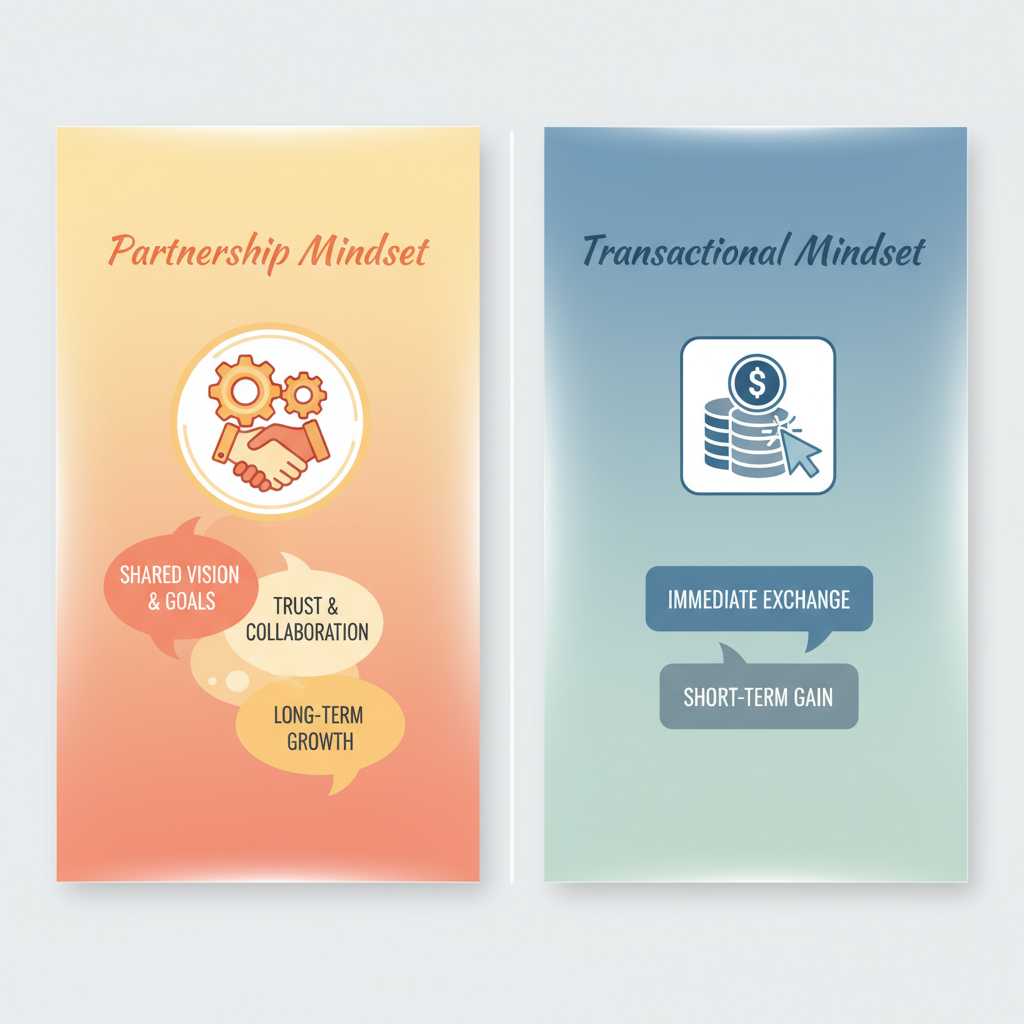
9. Partnership Mindset vs. Transactional Mindset
Perhaps the most overlooked value lies in the relationship itself. Many suppliers view business as a one-time transaction—deliver the stone, receive payment, and move on.
Egyptian exporters who adopt a partnership mindset work differently. They focus on:
- Building long-term relationships.
- Understanding the importer’s business model and market needs.
- Offering ongoing support to ensure mutual growth.
This partnership approach turns suppliers into strategic allies, helping importers secure not just stone, but also market credibility and sustainable growth.
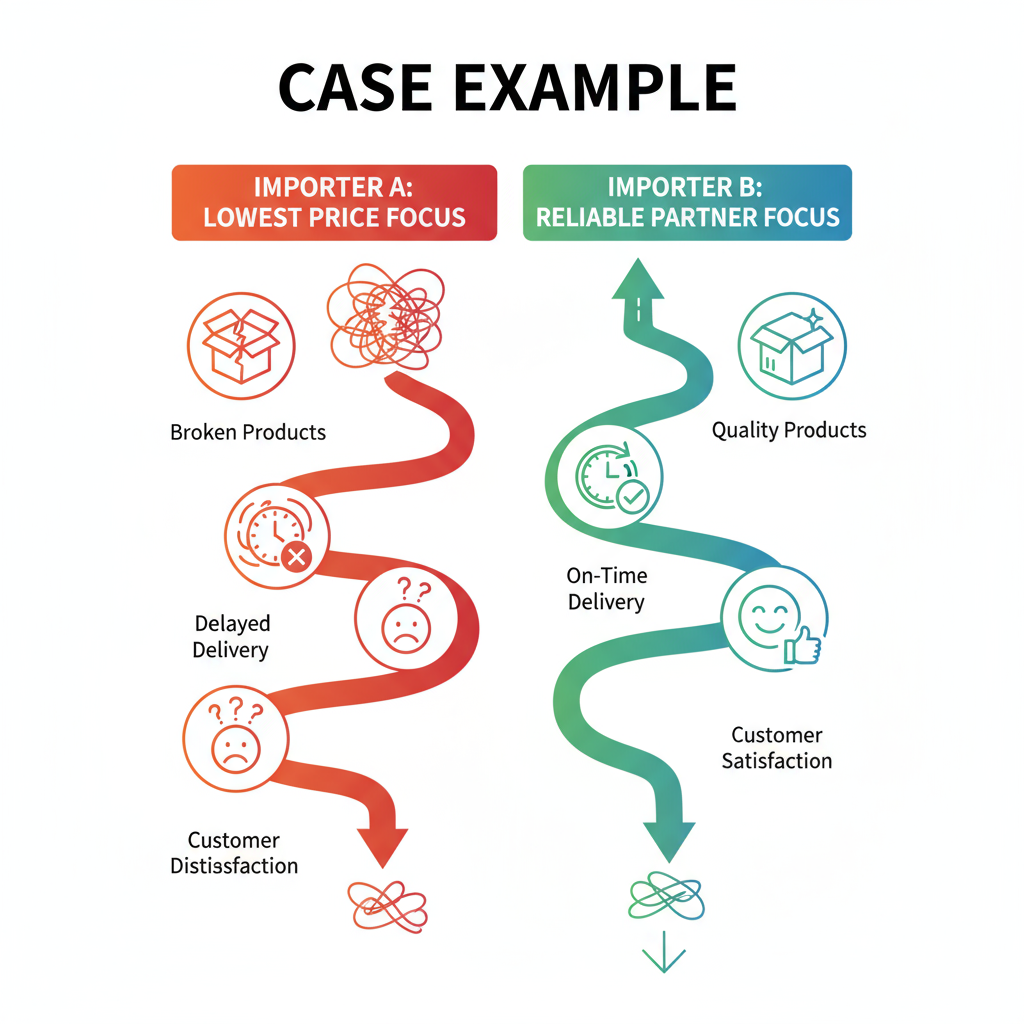
10. Case Example
Imagine two importers:
- Importer A chooses suppliers based only on the lowest prices. After a few shipments, quality issues emerge, leading to complaints and financial losses.
- Importer B partners with a reliable Egyptian exporter. While the initial price may not have been the lowest, consistent quality, timely shipments, and strong communication helped build a loyal customer base. Over time, Importer B achieves stronger margins and a better reputation.
The takeaway is clear: chasing short-term savings often undermines long-term success.
Conclusion
In the natural stone business, price is important—but it’s not the whole picture. The true value of a supplier lies in reliability, variety, scalability, expertise, sustainability, cultural heritage, and a partnership mindset.
Egyptian stone exporters embody all of these qualities. By working with them, importers and wholesalers gain more than a product they gain a strategic partner committed to their long-term success.
If you are seeking a trusted partner in Egyptian marble and granite, our team is ready to help you unlock new opportunities, strengthen your market presence, and achieve sustainable growth.